

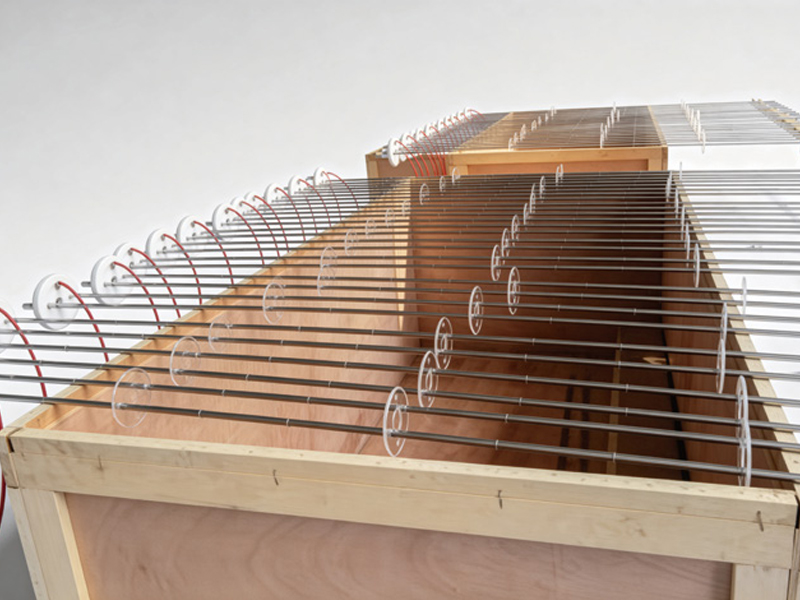
The LED photocatalytic reactor system is becoming one of the most important technologies in advanced oxidation, environmental treatment, and next-generation water and air purification. As industries move toward cleaner, more energy-efficient, and more controllable treatment processes, LED-based photocatalytic systems are drawing increasing attention for their ability to support low-heat operation, wavelength-specific activation, and modular reactor design. This article provides an original, SEO-friendly, and industry-focused overview of LED photocatalytic reactor system future trends, including definitions, working principles, advantages, key specifications, market direction, and emerging application scenarios.
If you are building a blog page, category page, product education page, or industry resource page, the following content is structured to support search visibility and user engagement. It focuses only on general industry information, not on specific brands or manufacturers.
An LED photocatalytic reactor system is a treatment device that combines light-emitting diode (LED) illumination with photocatalyst materials to generate reactive species for pollutant degradation, disinfection, or chemical transformation. In most systems, the LED serves as the light source, while the photocatalyst is typically a semiconductor material such as titanium dioxide (TiO2), zinc oxide (ZnO), or modified composite catalysts designed for specific wavelengths.
When the LED emits light at a matching wavelength, the photocatalyst is activated and produces electron-hole pairs. These then drive redox reactions that create highly reactive oxygen species such as hydroxyl radicals and superoxide radicals. These reactive species can break down organic contaminants, reduce microbial loads, and support advanced oxidation processes.
In simple terms, the LED photocatalytic reactor system is a controlled, energy-efficient platform for using light to trigger chemical reactions on a catalyst surface.
The growing interest in LED photocatalytic reactor systems is linked to several global industry trends: higher energy efficiency targets, more stringent water quality regulations, demand for chemical-free treatment methods, and the shift toward compact and smart treatment equipment. Compared with traditional mercury lamps and other legacy UV sources, LEDs offer several structural advantages that make them highly suitable for future reactor designs.
These benefits are helping LED photocatalytic reactors move from experimental setups into more practical industrial and environmental applications.
The operation of an LED photocatalytic reactor system typically follows four core stages:
Reactor performance depends on several factors, including light intensity, catalyst surface area, residence time, hydraulic design, LED wavelength, and the optical coupling between the LED and the catalyst.
The future trend of LED photocatalytic reactor systems is driven by practical performance benefits. These systems are not only more flexible than many conventional technologies, but also better aligned with modern sustainability goals.
| Advantage | Description | Industry Value |
|---|---|---|
| Low Energy Consumption | LEDs typically use less electricity than traditional high-pressure lamps. | Lower operating cost and improved efficiency. |
| Targeted Wavelength Control | Specific emission wavelengths can be matched with catalyst absorption peaks. | Higher photocatalytic reaction efficiency. |
| Compact Design | LED modules support small-format and modular reactor structures. | Suitable for decentralized and portable systems. |
| Fast Response | LEDs can turn on and off instantly without long warm-up periods. | Improved process control and operational convenience. |
| Lower Heat Output | Less thermal stress is generated during operation. | Better stability for catalysts and reactor components. |
| Longer Lifespan | LED sources often provide extended service life with reduced replacement frequency. | Lower maintenance burden and improved reliability. |
These advantages are especially important in water treatment, air purification, surface disinfection, and advanced oxidation applications where continuous operation and energy performance matter.
The future of the LED photocatalytic reactor system is being shaped by technology convergence, environmental regulations, and the need for more adaptable treatment platforms. Below are the most important future trends expected to influence the industry.
One of the strongest future trends is the development of photocatalysts that respond more effectively to visible LED wavelengths. Traditional photocatalysts often rely on UV light, which limits energy efficiency and scalability. As catalyst engineering advances, more systems are being designed to work under blue, violet, and visible-light LED sources.
This trend supports lower-cost operation, safer light exposure, and broader integration into indoor treatment systems.
Future LED photocatalytic reactor systems are expected to include smarter controls, such as real-time feedback, automatic intensity adjustment, sensor-based operation, and digital monitoring. Smart systems can track water quality, light intensity, temperature, flow rate, and catalyst performance.
This trend will likely improve process stability and reduce unnecessary power use, making the reactor more efficient and easier to manage.
Modular design is another important future direction. LED-based reactors can be built in compact modules and connected in parallel or series to support different treatment capacities. This makes them suitable for pilot systems, small industrial units, and distributed treatment installations.
Scalability is critical for future adoption because it allows users to increase capacity without replacing the entire system.
Decentralized water treatment is becoming more important as industries, communities, and institutions look for local treatment solutions. LED photocatalytic reactor systems are well suited to decentralized applications because they are compact, efficient, and easier to deploy than many large centralized systems.
Future demand is expected to grow in point-of-use purification, small municipal systems, remote facilities, emergency response systems, and mobile purification units.
The next generation of LED photocatalytic reactor systems may increasingly combine photocatalysis with other treatment mechanisms such as ozonation, membrane filtration, electrochemical treatment, or plasma-assisted processes. Hybrid systems can improve degradation rates, expand contaminant coverage, and increase total treatment efficiency.
This trend is especially relevant for complex wastewater streams and hard-to-treat contaminants.
Future reactor performance will also depend on improved catalyst immobilization. Instead of loose powders, many systems are moving toward coated surfaces, structured supports, monoliths, fibers, or porous substrates that reduce catalyst loss and improve hydraulic performance.
Stable catalyst surfaces are essential for long-term operation, reduced maintenance, and more predictable treatment output.
Environmental sustainability is influencing every stage of reactor development. The future LED photocatalytic reactor system will likely emphasize lower carbon footprint, reduced chemical usage, recyclable components, and energy-saving operation. This makes the technology attractive for green engineering projects and ESG-driven industrial upgrades.
As LED power densities increase, thermal control becomes more important. Future systems will likely feature better heat dissipation, optimized light packaging, and advanced cooling strategies to protect both LEDs and catalysts.
Stable temperature control helps maintain consistent output and prolong system life.
Future reactor designs are expected to focus more on optical efficiency. This includes improved reflector geometry, transparent reactor materials, optimized light path design, and better photon utilization. Since photocatalysis depends heavily on light availability at the catalyst surface, optical engineering will remain a major driver of system performance.
While water treatment remains a major application area, future LED photocatalytic reactor systems are also expected to expand into air purification and antimicrobial surface applications. LED-driven photocatalysis can help break down volatile organic compounds, reduce odors, and support pathogen control in enclosed environments.
From an industry perspective, the LED photocatalytic reactor system is moving toward practical commercialization, standardized design, and broader adoption across treatment sectors. The market is not just asking whether photocatalysis works; it is asking how to make it consistent, affordable, scalable, and easy to maintain.
Several industry priorities are becoming more visible:
As a result, LED photocatalytic reactor systems are increasingly seen as part of the broader shift toward intelligent environmental equipment and advanced oxidation technology.
The following applications are commonly associated with LED photocatalytic reactor systems. Each use case may require different catalyst materials, reactor sizes, and wavelength strategies.
| Application Area | Typical Purpose | Expected Benefit |
|---|---|---|
| Wastewater Treatment | Degradation of organic pollutants and trace contaminants | Improved water quality and reduced pollutant concentration |
| Drinking Water Treatment | Disinfection and advanced oxidation support | Enhanced pathogen control and purification performance |
| Air Purification | Decomposition of VOCs and odor compounds | Cleaner indoor or process air |
| Surface Disinfection | Antimicrobial treatment of exposed surfaces | Support for hygiene and contamination control |
| Industrial Process Water | Treatment of recirculating or contaminated process streams | Water reuse potential and improved process stability |
| Laboratory and Pilot Systems | Research, testing, and process development | Controlled experimentation and optimization |
When evaluating an LED photocatalytic reactor system, several technical specifications influence efficiency, scalability, and application fit. These specifications are useful for blogs, buying guides, and technical overview pages.
| Specification | What It Means | Why It Matters |
|---|---|---|
| LED Wavelength | The emission peak of the LED source, such as UV-A or visible blue. | Must match catalyst absorption for efficient activation. |
| Optical Power | Light output delivered to the reactor volume. | Affects reaction rate and treatment performance. |
| Reactor Volume | Total treatment space inside the chamber. | Determines system capacity and residence time. |
| Hydraulic Residence Time | How long liquid or gas stays in the reactor. | Influences contact time and conversion efficiency. |
| Catalyst Type | The photocatalytic material used in the reactor. | Controls reactivity, wavelength sensitivity, and stability. |
| Catalyst Form | Powder, coating, monolith, membrane, or immobilized layer. | Impacts pressure drop, durability, and maintenance. |
| Cooling Method | Passive or active thermal management for LED modules. | Supports stable operation and component life. |
| Material Construction | Body materials such as stainless steel, quartz, or polymer housing. | Affects chemical resistance, transparency, and reliability. |
| Control Interface | Manual, programmable, or sensor-based control system. | Improves usability and operational precision. |
The performance of an LED photocatalytic reactor system depends on the interaction of optical, hydraulic, and catalytic variables. Understanding these factors is important for future system design and optimization.
Future reactor designs will likely emphasize optimization across all these variables instead of focusing on light source power alone.
Even though the outlook is promising, the LED photocatalytic reactor system still faces several challenges that influence widespread deployment.
These barriers are also the areas where future innovation is expected to be strongest.
The future outlook for the LED photocatalytic reactor system is positive. As LED technology continues to improve and photocatalyst materials become more advanced, these reactors are likely to become more efficient, more compact, and more commercially practical.
In the coming years, the strongest growth is expected in applications that require precise light control, lower energy use, and compact system design. The combination of LED photocatalytic reactor system future trends with smart monitoring, modular scaling, and visible-light catalysts is likely to define the next generation of treatment equipment.
Industry users will likely prioritize systems that can deliver:
As environmental standards become stricter and energy efficiency becomes more important, LED photocatalytic reactor systems are positioned to play a larger role in water, air, and surface treatment solutions.
The following keyword phrases can help support topic relevance in an SEO-friendly article or industry page:
Using these phrases naturally throughout headings, body text, tables, and internal links can improve topical relevance for search engines while keeping the page readable for users.
The LED photocatalytic reactor system is moving toward a future defined by efficiency, precision, modularity, and sustainability. The biggest trends include visible-light catalyst development, smart control integration, improved optical engineering, hybrid treatment systems, and broader use in decentralized applications. For industries seeking advanced oxidation solutions with lower energy demand and better design flexibility, this technology has strong long-term potential.
As demand grows for cleaner and smarter environmental treatment systems, the LED photocatalytic reactor system will continue to evolve from a specialized research platform into a more widely adopted industrial and commercial solution.
MENAMBAHKAN:gedung 7, kawasan industri Z Acer Z Hi, jalan Lian Tang, kota shanghu, nomor baris C, Jiangsu
Telp:0512-65560736 / 0512-65371556
Seluler:+86 13584913897 / +86 13771738377 (Penjualan)
E-mail:jkzdhsm@yeah.net
Situs web ini menggunakan cookie untuk memastikan Anda mendapatkan pengalaman terbaik di situs web kami.
 English
 Español
 Pусский
 Deutsch
 日本語
 한국어
 हिन्दी
 Melayu
 Tiếng Việt



 ada apa
 Telepon
Komentar
(0)